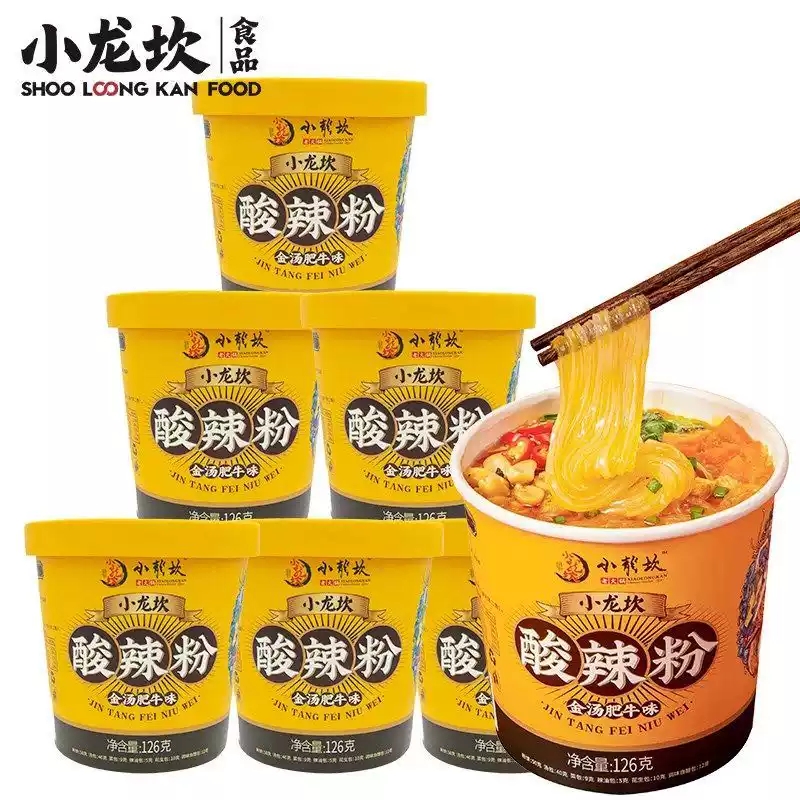
In today's fast-paced lifestyle, the convenience food industry is undergoing profound changes and demonstrating strong development vitality. Self-heating hot pot, self-heating rice and other convenient foods continue to be popular, and various hot pot seasonings and soy sauce and other condiments are constantly being updated and innovated, jointly creating a prosperous scene in the field of convenient foods.
Self-heating hot pot remains highly popular and has already become a star product in the convenience food market. Its unique self-heating feature enables it to heat up quickly with just cold water without the need for complex cooking tools, offering consumers a brand-new experience of enjoying hot pot feasts anytime and anywhere. From classic Sichuan-style spicy beef hot pot to innovative flavors that blend diverse flavors such as seafood and Thai Tom Yum Goong, the self-heating hot pot market offers a rich and diverse range of products. A well-known brand of self-heating hot pot carefully combines fresh and tender beef, fresh seasonal vegetables, smooth vermicelli and other ingredients, and is served with a secret hot pot base. After heating, it is fragrant and has a rich taste, which is no less than that of dine-in hot pot. It is not only deeply loved by domestic consumers, but also has made a name for itself in the international market, becoming a new carrier for spreading Chinese food culture.
Self-heating rice has also shone brightly in the market, providing a convenient and nutritious dining solution for busy office workers, outdoor adventure enthusiasts, and frequent travelers. High-quality rice, processed through special techniques, retains the natural taste and nutritional components of cooked rice to the greatest extent. The heated rice is soft, glutinous and sweet. It pairs well with a variety of rich side dishes such as braised pork ribs, chicken with mushrooms and preserved mustard greens braised pork, offering a wide range of flavor options. Moreover, the heating process of self-heating rice is simple and usually takes only 15 to 20 minutes to complete, greatly saving meal time. It plays an indispensable role in special scenarios such as emergency rescue and fieldwork.
Behind the deliciousness of convenience foods lies the assistance of condiments. As the soul of hot pot, the pace of innovation in hot pot seasonings has never ceased. In addition to the well-known traditional flavors such as spicy and numbing, clear soup, and tomato, a variety of distinctive base seasonings like Thai Tom Yum goong, Korean army hot pot, and Japanese sukiyaki hot pot have emerged one after another, catering to consumers' exploration needs for hot pot with different regional flavors. The dipping sauces for hot pot are also becoming increasingly diverse, ranging from traditional sesame paste and garlic paste sesame oil to innovative seafood sauce and satay sauce. Consumers can freely adjust them according to their personal tastes, adding to the pleasure of dining. Soy sauce, as a basic condiment, is also constantly upgrading and evolving. In addition to the traditional functions of light soy sauce for enhancing freshness and dark soy sauce for coloring, functional products such as low-salt soy sauce, organic soy sauce, and iron-fortified soy sauce have been successively launched on the market, meeting consumers' pursuit of health and quality.
With the continuous rise in consumers' demand for convenience foods, enterprises in the industry are constantly increasing their investment in research and development, fully promoting product innovation and quality upgrading. In terms of ingredient selection, an increasing number of self-heating hot pot and self-heating rice brands are beginning to use organic ingredients, discarding artificial colors, flavors and preservatives, and are committed to providing consumers with healthier and more natural convenient foods. The innovative achievements in product packaging and heating technology are equally remarkable. Some self-heating foods are packaged in environmentally friendly and degradable materials, effectively reducing their negative impact on the environment. The design of heating packs is constantly being optimized, with significant improvements in heating efficiency and stability, ensuring the safety and convenience of use for consumers.
Data shows that the market size of China's self-heating food industry is expected to reach approximately 17.64 billion yuan in 2024. With the acceleration of the pace of life and the diversification of consumer demands, there is still broad room for growth in the future. The convenience food industry is standing at a new starting point of development. Innovative products such as self-heating hot pot and self-heating rice, along with constantly upgraded condiments, are jointly creating a more convenient, delicious and healthy dining experience for consumers. Driven by technological progress and consumer demand, the convenience food industry is expected to continue to innovate, bringing more surprises and convenience to people's lives.
Self-heating hot pot remains highly popular and has already become a star product in the convenience food market. Its unique self-heating feature enables it to heat up quickly with just cold water without the need for complex cooking tools, offering consumers a brand-new experience of enjoying hot pot feasts anytime and anywhere. From classic Sichuan-style spicy beef hot pot to innovative flavors that blend diverse flavors such as seafood and Thai Tom Yum Goong, the self-heating hot pot market offers a rich and diverse range of products. A well-known brand of self-heating hot pot carefully combines fresh and tender beef, fresh seasonal vegetables, smooth vermicelli and other ingredients, and is served with a secret hot pot base. After heating, it is fragrant and has a rich taste, which is no less than that of dine-in hot pot. It is not only deeply loved by domestic consumers, but also has made a name for itself in the international market, becoming a new carrier for spreading Chinese food culture.
Self-heating rice has also shone brightly in the market, providing a convenient and nutritious dining solution for busy office workers, outdoor adventure enthusiasts, and frequent travelers. High-quality rice, processed through special techniques, retains the natural taste and nutritional components of cooked rice to the greatest extent. The heated rice is soft, glutinous and sweet. It pairs well with a variety of rich side dishes such as braised pork ribs, chicken with mushrooms and preserved mustard greens braised pork, offering a wide range of flavor options. Moreover, the heating process of self-heating rice is simple and usually takes only 15 to 20 minutes to complete, greatly saving meal time. It plays an indispensable role in special scenarios such as emergency rescue and fieldwork.
Behind the deliciousness of convenience foods lies the assistance of condiments. As the soul of hot pot, the pace of innovation in hot pot seasonings has never ceased. In addition to the well-known traditional flavors such as spicy and numbing, clear soup, and tomato, a variety of distinctive base seasonings like Thai Tom Yum goong, Korean army hot pot, and Japanese sukiyaki hot pot have emerged one after another, catering to consumers' exploration needs for hot pot with different regional flavors. The dipping sauces for hot pot are also becoming increasingly diverse, ranging from traditional sesame paste and garlic paste sesame oil to innovative seafood sauce and satay sauce. Consumers can freely adjust them according to their personal tastes, adding to the pleasure of dining. Soy sauce, as a basic condiment, is also constantly upgrading and evolving. In addition to the traditional functions of light soy sauce for enhancing freshness and dark soy sauce for coloring, functional products such as low-salt soy sauce, organic soy sauce, and iron-fortified soy sauce have been successively launched on the market, meeting consumers' pursuit of health and quality.
With the continuous rise in consumers' demand for convenience foods, enterprises in the industry are constantly increasing their investment in research and development, fully promoting product innovation and quality upgrading. In terms of ingredient selection, an increasing number of self-heating hot pot and self-heating rice brands are beginning to use organic ingredients, discarding artificial colors, flavors and preservatives, and are committed to providing consumers with healthier and more natural convenient foods. The innovative achievements in product packaging and heating technology are equally remarkable. Some self-heating foods are packaged in environmentally friendly and degradable materials, effectively reducing their negative impact on the environment. The design of heating packs is constantly being optimized, with significant improvements in heating efficiency and stability, ensuring the safety and convenience of use for consumers.
Data shows that the market size of China's self-heating food industry is expected to reach approximately 17.64 billion yuan in 2024. With the acceleration of the pace of life and the diversification of consumer demands, there is still broad room for growth in the future. The convenience food industry is standing at a new starting point of development. Innovative products such as self-heating hot pot and self-heating rice, along with constantly upgraded condiments, are jointly creating a more convenient, delicious and healthy dining experience for consumers. Driven by technological progress and consumer demand, the convenience food industry is expected to continue to innovate, bringing more surprises and convenience to people's lives.