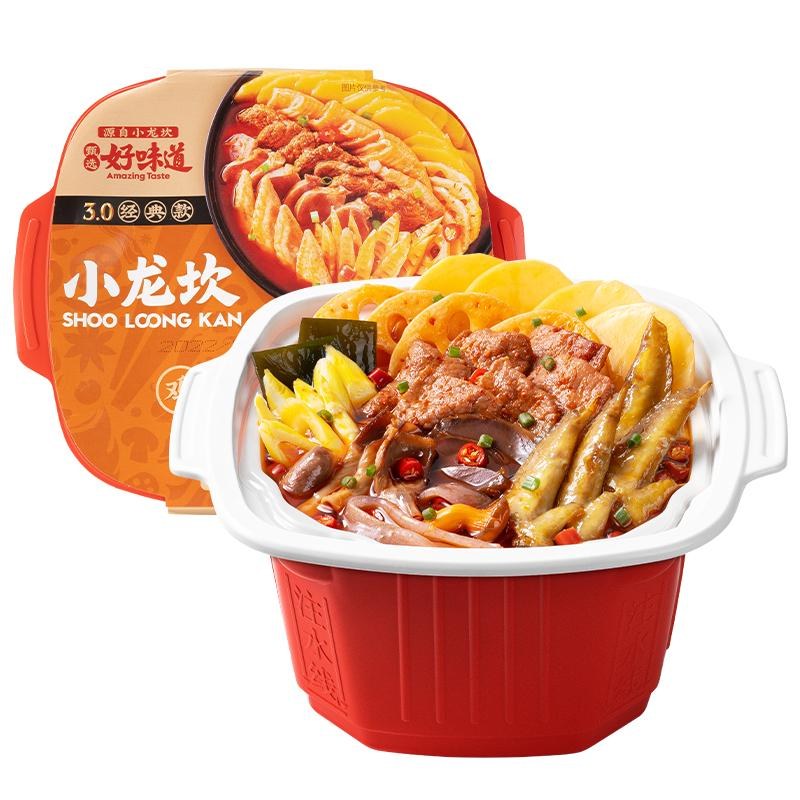
In recent years, driven by consumption upgrades and the rise of the "convenience economy," the self-heating food market has expanded rapidly. Instant foods such as self-heating hot pot and self-heating rice have become new growth drivers in the fast-moving consumer goods sector. At the same time, condiments like hot pot seasonings and soy sauce, along with traditional instant noodle brands, are increasingly crossing over into this space, driving the industry toward diversification and higher quality.
Breakthroughs in Self-Heating Technology: Convenience and Safety in Focus
Self-heating foods utilize chemical reaction heating packs to achieve heating without an external heat source, greatly meeting demand in scenarios such as outdoor travel and emergency home use. However, as the market expands, product safety and heating stability have become key concerns for consumers. Recently, several leading companies have improved safety by upgrading packaging materials and optimizing heating pack formulations. Some brands have also introduced temperature control indicators to further reduce operational risks.
Condiment Companies Cross Over, Building a Flavor Moat
The core competition in self-heating foods is gradually shifting from convenience to flavor experience. Hot pot seasoning brands like Haidilao and Xiabuxiabu have entered the self-heating market with their supply chain advantages, launching regional-flavor self-heating hot pot products. Soy sauce and compound seasoning companies are also enhancing the taste profile of self-heating rice through customized sauce packets. This crossover between "condiments + instant foods" not only enriches product lines but also strengthens brands’ flavor recognition.
Traditional Instant Noodle Giants Adapt, Entering the Premium Self-Heating Market
In response to the impact of self-heating foods, traditional instant noodle companies such as Master Kong and Uni-President are accelerating product portfolio upgrades. On one hand, they are launching premium instant noodle products featuring rich broth and non-fried noodles; on the other, they are entering the self-heating sector through investments or in-house R&D. For example, Uni-President’s "Kai Xiao Zao" self-heating rice has successfully captured the market by replicating the taste of traditional Chinese dishes, highlighting the industry’s in-depth exploration of "full-meal" instant needs.
Standards and Innovation Go Hand in Hand, Industry Consolidation Accelerates
The self-heating food industry still faces a lack of standardized regulations. In 2023, the Chinese Institute of Food Science and Technology led the drafting of group standards for self-heating convenient foods, specifying requirements for heating pack safety and food additive usage. In the future, as regulations tighten and technical thresholds rise, small and mid-sized brands lacking R&D capabilities may gradually exit the market, while companies with supply chain integration capabilities and flavor innovation technologies are expected to dominate.
Conclusion: From "Eating to Fill Up" to "Eating Well," the Self-Heating Food Sector Still Has Potential
According to data from iiMedia Research, China’s self-heating food market exceeded RMB 18 billion in 2023, with an annual compound growth rate maintained at over 15%. In the future, with innovations such as the application of cold chain technology (e.g., self-heating fresh meals) and the addition of functional ingredients (e.g., low-fat, high-protein), self-heating foods are expected to transition from emergency storage to daily consumption, becoming an important branch of industrial catering.