From instant noodles in office drawers to self-heating hot pots in camping backpacks, convenience food is undergoing a profound transformation from a "basic satiety necessity" to a "refined dining experience." The latest industry data shows that the scale of China's convenience food market is expected to exceed the one-trillion-yuan mark by 2026, with online channels accounting for 57% of the total share. Categories such as self-heating hot pots and instant rice are leading the growth, while the innovative upgrading of supporting condiments like hot pot seasonings and soy sauce has further enabled "convenience meals" to deliver the ritual sense of freshly prepared cuisine.
Young Consumers Dominate, Scenarios Penetrate All Time Periods
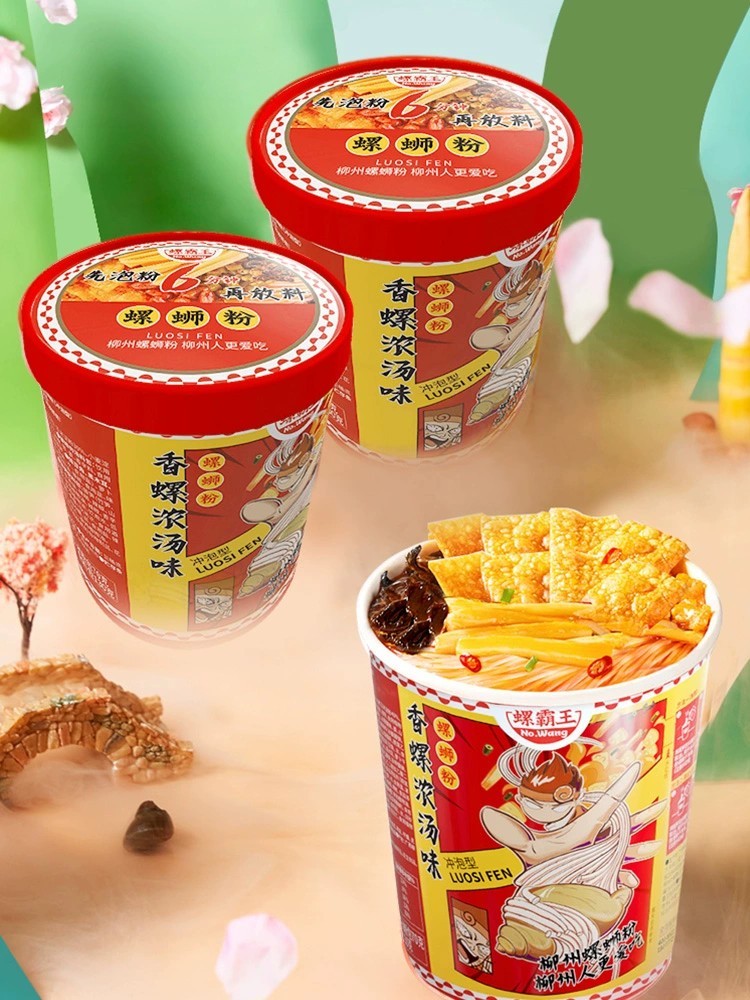
"Convenience food today is no longer just for emergencies," said Ms. Li, a white-collar worker in a first-tier city, showing her mobile phone orders: instant rice for lunch, snail noodles for late-night overtime, and self-heating hot pot sets for weekend camping. This shift in consumption scenarios is not an isolated case — data reveals that consumers aged 18-40 account for 87% of the total convenience food consumption, with 62% of consumption scenarios taking place in home environments. The demand from offices, dormitories, and even outdoor camping continues to rise.
The "multi-dimensional needs" of young consumers are reshaping the market: they not only seek the convenience of finishing a meal within 10 minutes but also pursue taste and health comparable to freshly made food. In response to this demand, Bai Xiang has launched Wangzhe Rongyao (Honor of Kings)-co-branded instant noodles, enhancing the taste with pork bone broth; Moxiaoxian's "space convenience meals" adopt aerospace freeze-drying (FD) technology, extending the shelf life of instant rice to 3 years with a taste restoration rate of 95%. Hot pot seasoning enterprises have also precisely matched scenarios by launching "single-serve small packages," paired with low-salt soy sauce sachets to balance flavor and health.
Breaking Through with Healthiness, Technology Unlocks the Code to Quality
"Without health, there is no convenience food" has become an industry consensus. In 2025, the market scale of low-sugar, low-salt, and high-protein convenience food has reached 380 billion yuan, with an annual growth rate of 35%. In the instant noodle track, Master Kong's "Ganmianhui Series" adopts non-fried technology, while Bai Xiang's bone broth noodles use slow-drying technology to improve taste; in the self-heating food sector, new products such as kale light hot pots and low-calorie konjac cold noodles are constantly emerging to meet the calorie-controlled needs of urban residents.
The upgrading of condiments is equally remarkable. Soy sauce enterprises have launched "zero-additive brewed sachets," forming a complete set with self-heating hot pots and instant rice; hot pot seasoning brands have innovated "spicy + diversified" fusion flavors. Products such as spicy strip noodles and sour soup hot pot seasonings have become popular among Generation Z through the "spiciness challenge" topic on social platforms. Technological breakthroughs have further made quality upgrading possible: -196℃ liquid nitrogen fresh-locking technology enables instant pasta to match the taste of Western restaurants, and the AI quality inspection system has increased the detection rate of food defects to 99.9%.
Online Channels Take the Lead, Global Layout Accelerates
Online channels have become the core battlefield for convenience food. Social e-commerce platforms such as Douyin and Kuaishou contribute 42% of online consumption share. Live-streaming e-commerce and content marketing have rapidly helped regional specialty convenience foods such as snail noodles and Chongqing noodles "break into the mainstream," with regional specialty flavors accounting for 19% of sales in the instant noodle and vermicelli category. Consumers' requirements for logistics experience are becoming increasingly strict, and "fast delivery" and "cold chain transportation" have become core evaluation indicators, driving brands to restructure their supply chains.
At the same time, Chinese convenience food is accelerating its global expansion. The Southeast Asian and Middle Eastern markets have become new blue oceans. Self-heating hot pots have won over overseas consumers with their unique flavors, and supporting products such as low-salt soy sauce and concentrated hot pot seasonings have even become "gustatory business cards" for cultural export.