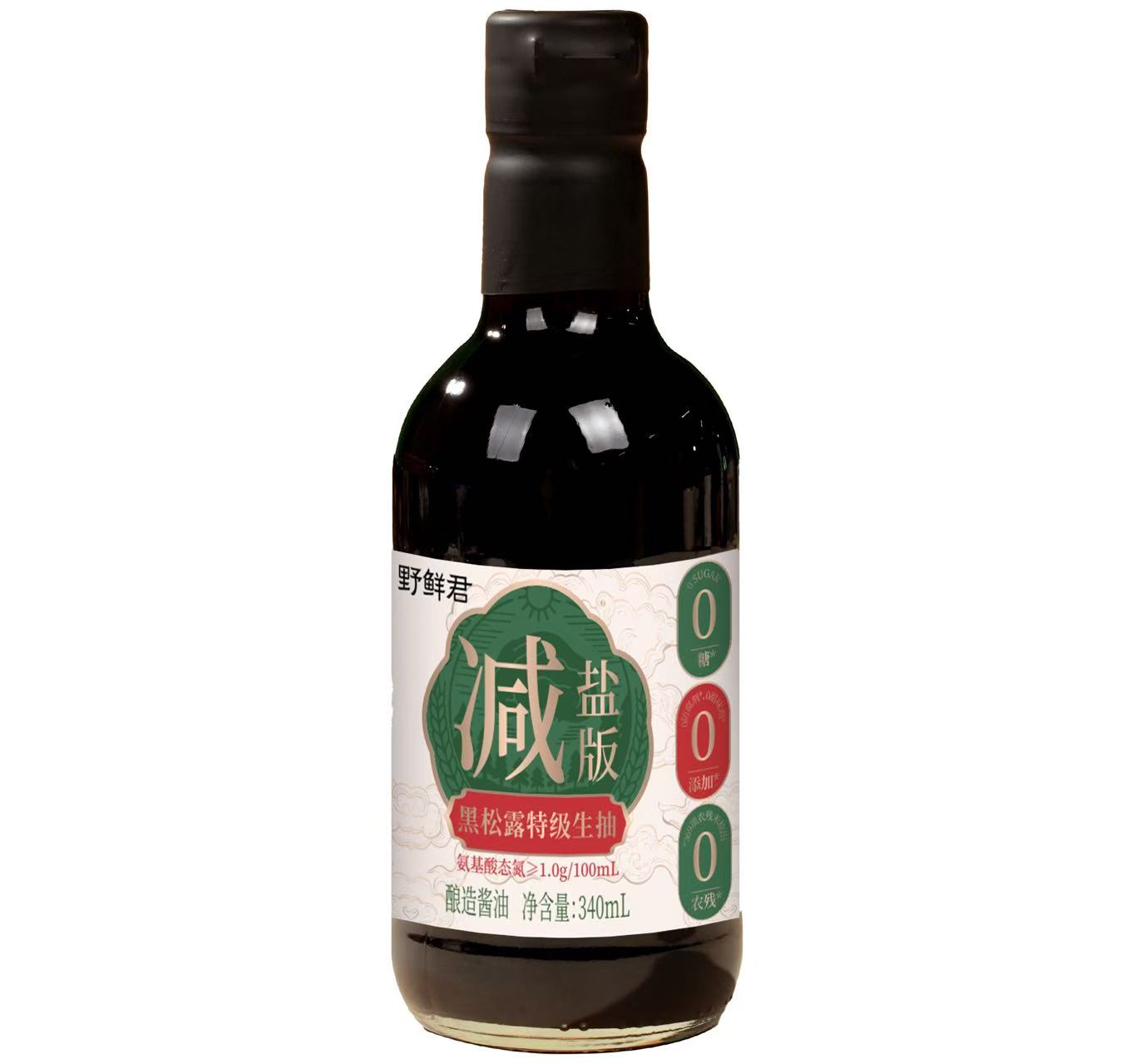
In recent years, with the rise of the "lazy economy" and fast-paced lifestyles, the self-heating food industry has experienced explosive growth. Market segments represented by Self-Heating Hot Pot and Self-Heating Rice have rapidly captured market share, becoming new favorites for consumers whether at home, the office, or outdoors. As competition in the sector intensifies, companies across the entire industry chain are accelerating their layout, sparking a new wave of upgrades from Hot Pot Seasonings and Soy Sauce to traditional categories like Instant Noodles.
Self-Heating Technology Innovation Drives Product Diversification
Self-Heating Hot Pot and Self-Heating Rice, with their convenience of requiring no open flame and just one click to heat, have broken through the consumption scenarios limited to traditional Instant Food. Industry reports indicate that the market size for self-heating food grew by over 40% year-on-year in 2023, with Self-Heating Hot Pot sales remaining the highest. Self-Heating Rice, being more aligned with staple food habits, became the fastest-growing sub-segment. Meanwhile, condiment companies are increasingly investing in R&D, launching specialized Hot Pot Seasonings and compound Soy Sauce tailored for self-heating products, enhancing product competitiveness through flavor customization.
Traditional Categories Cross Borders and Integrate as Instant Noodle Companies Seek Breakthroughs
Facing the impact from the self-heating food trend, traditional Instant Noodles brands are actively seeking transformation. On one hand, they are launching premium product lines, and on the other, they are experimenting with integrating self-heating technology into classic flavors. Examples include co-branded "Self-Heating Noodle Hot Pot" with Hot Pot Seasonings brands, creating differentiated flavors using foundational seasonings like Soy Sauce. Industry experts point out that the boundaries of Instant Food are blurring, and the integration of self-heating technology with traditional categories will become a key industry trend.
Supply Chain Integration Accelerates, Standardization and Safety Become Focus
As the market expands, the self-heating food supply chain also faces challenges. Companies need to strengthen end-to-end quality control, from the standardized production of Hot Pot Seasonings to food safety management for condiments like Soy Sauce. Some leading brands have already established integrated supply chains from raw material cultivation to processing and sales, and are working to reduce the environmental impact of self-heating packets through technological innovation, promoting sustainable industry development.
Future Outlook: Innovation and Standardization Go Hand-in-Hand
The rapid development of self-heating food has not only stimulated growth in traditional sectors like Instant Noodles and condiments but has also injected new vitality into specific segments like Soy Sauce and Hot Pot Seasonings. Looking ahead, the industry needs to continuously focus on flavor innovation, technological upgrades, and standard setting to meet consumer demands for both convenience and quality. As relevant policies are gradually refined, the self-heating food industry is expected to move towards a healthier and more diversified new phase of development.
Self-Heating Technology Innovation Drives Product Diversification
Self-Heating Hot Pot and Self-Heating Rice, with their convenience of requiring no open flame and just one click to heat, have broken through the consumption scenarios limited to traditional Instant Food. Industry reports indicate that the market size for self-heating food grew by over 40% year-on-year in 2023, with Self-Heating Hot Pot sales remaining the highest. Self-Heating Rice, being more aligned with staple food habits, became the fastest-growing sub-segment. Meanwhile, condiment companies are increasingly investing in R&D, launching specialized Hot Pot Seasonings and compound Soy Sauce tailored for self-heating products, enhancing product competitiveness through flavor customization.
Traditional Categories Cross Borders and Integrate as Instant Noodle Companies Seek Breakthroughs
Facing the impact from the self-heating food trend, traditional Instant Noodles brands are actively seeking transformation. On one hand, they are launching premium product lines, and on the other, they are experimenting with integrating self-heating technology into classic flavors. Examples include co-branded "Self-Heating Noodle Hot Pot" with Hot Pot Seasonings brands, creating differentiated flavors using foundational seasonings like Soy Sauce. Industry experts point out that the boundaries of Instant Food are blurring, and the integration of self-heating technology with traditional categories will become a key industry trend.
Supply Chain Integration Accelerates, Standardization and Safety Become Focus
As the market expands, the self-heating food supply chain also faces challenges. Companies need to strengthen end-to-end quality control, from the standardized production of Hot Pot Seasonings to food safety management for condiments like Soy Sauce. Some leading brands have already established integrated supply chains from raw material cultivation to processing and sales, and are working to reduce the environmental impact of self-heating packets through technological innovation, promoting sustainable industry development.
Future Outlook: Innovation and Standardization Go Hand-in-Hand
The rapid development of self-heating food has not only stimulated growth in traditional sectors like Instant Noodles and condiments but has also injected new vitality into specific segments like Soy Sauce and Hot Pot Seasonings. Looking ahead, the industry needs to continuously focus on flavor innovation, technological upgrades, and standard setting to meet consumer demands for both convenience and quality. As relevant policies are gradually refined, the self-heating food industry is expected to move towards a healthier and more diversified new phase of development.