In the fast-paced modern life, the instant food market is undergoing remarkable changes and development. Self-heating foods such as self-heating hot pots and instant rice, as well as traditional instant foods like instant noodles, have become the first choice for consumers to cope with their busy lives due to their convenience. Recently, these instant food products have not only made breakthroughs in technological innovation but also shown excellent market performance.
Since its introduction, the self-heating hot pot has quickly become popular in the market. Its principle is to use the reaction between the substances in the heating pack and water to release a large amount of heat in a short time, achieving rapid heating of the ingredients. Traditional hot pot enterprises such as Haidilao and Xiaolongkan, as well as emerging brands like Zihai Pot and Mo Xiaoxian, have entered the market one after another, driving the rapid expansion of the self-heating hot pot market. However, with the development of the market, problems such as price, taste, and potential safety hazards have gradually emerged, which have hindered the growth of the industry to a certain extent.
Instant rice has also received much attention. It solves the problem of people's quick dining when they cannot start a fire. The "rice" in instant rice is usually reconstituted rice, which is processed from raw materials such as rice and wheat and is similar in appearance to ordinary rice. This kind of rice has been cooked during the processing, and only needs to be heated with a heating pack when eating, and can be enjoyed in a few minutes. However, there have always been controversies among consumers about its taste and nutritional content.
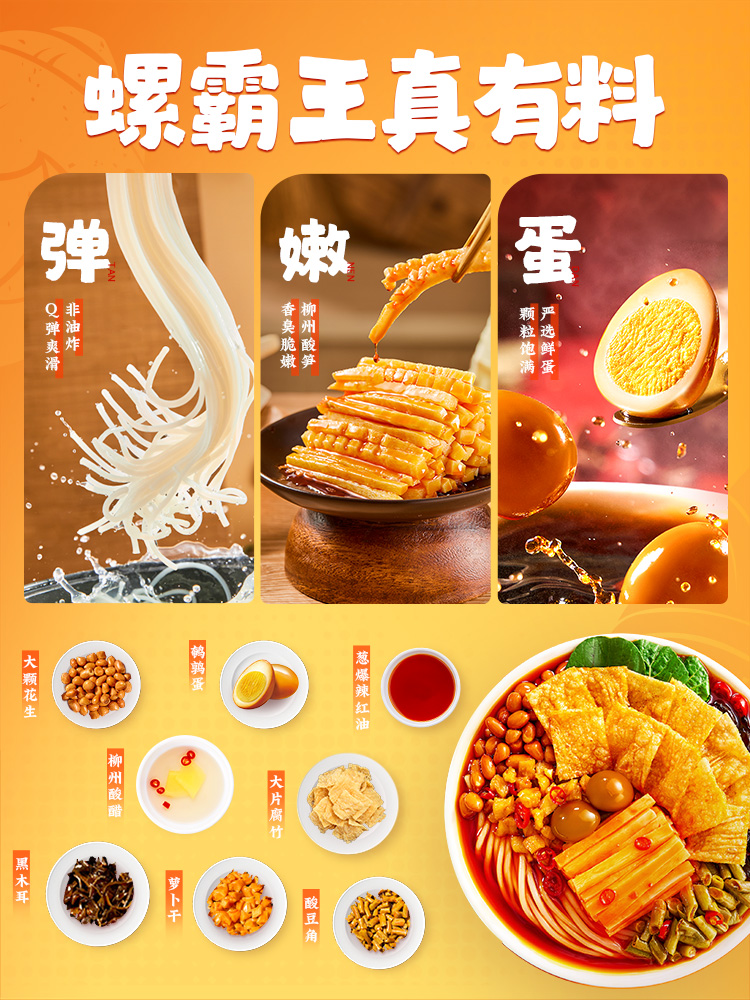
As the "veteran" of the instant food industry, instant noodles have always occupied an important position. With consumers' increasing emphasis on health, more healthy instant noodle products such as non-fried and those with added vegetable packs have emerged continuously to meet the increasingly diverse needs of consumers.
In addition, the seasonings for instant foods are also constantly innovating. Hot pot seasonings have expanded from traditional spicy and clear soup flavors to a variety of flavors such as tomato and tom yum, and basic seasonings such as soy sauce have also been continuously upgraded in quality and flavor, adding more delicious options to instant foods.
Although the instant food market has made significant progress, safety issues cannot be ignored. The heating packs of self-heating foods have certain safety hazards, and improper use may lead to accidents. In response to this, the industry calls for strengthening the formulation of product standards and consumer safety education to ensure the safe use of products.
Looking to the future, the instant food industry will continue to develop in the direction of health, convenience, and deliciousness. Enterprises will increase R & D investment, improve product quality, optimize taste, and pay more attention to food safety and environmentally friendly packaging. With the continuous progress of technology, instant foods are expected to provide an experience closer to freshly cooked food while meeting consumers' convenience needs.